
Greece tours give groups an easy way to explore the best of this sunny country together. Families, friends, sports clubs, school classes and company teams all discover something special to share. Whitewashed villages hang above blue bays, while marble temples crown quiet hills. Every place offers a story the whole group can remember for years.
This guide covers the islands, the large islands, Athens and the mainland sites, one region at a time. For each region, it explains what a group can admire, which tours go there and which perks come included. Planners who want even more inspiration can also browse My Greece Tours before choosing a route.
Which Islands Should Greece Tours For Groups Include?
Greece tours for groups should include Santorini, Mykonos, Delos, Milos, Naxos and Paros. These Cyclades islands combine famous views, calm beaches and easy boat connections. Planners can compare Greece tours and Tours In Greece to match each island to the group. The Cyclades form a circle of islands in the middle of the Aegean Sea.
What can groups admire in the islands?
Santorini wraps around its caldera, an enormous bowl left behind when an old volcano collapsed into the sea. In Oia, white houses and blue domes glow at sunset, and visitors gather along the walls to watch. Fira, the main town, sits right on the cliff edge, with cafés looking down to the sparkling water.
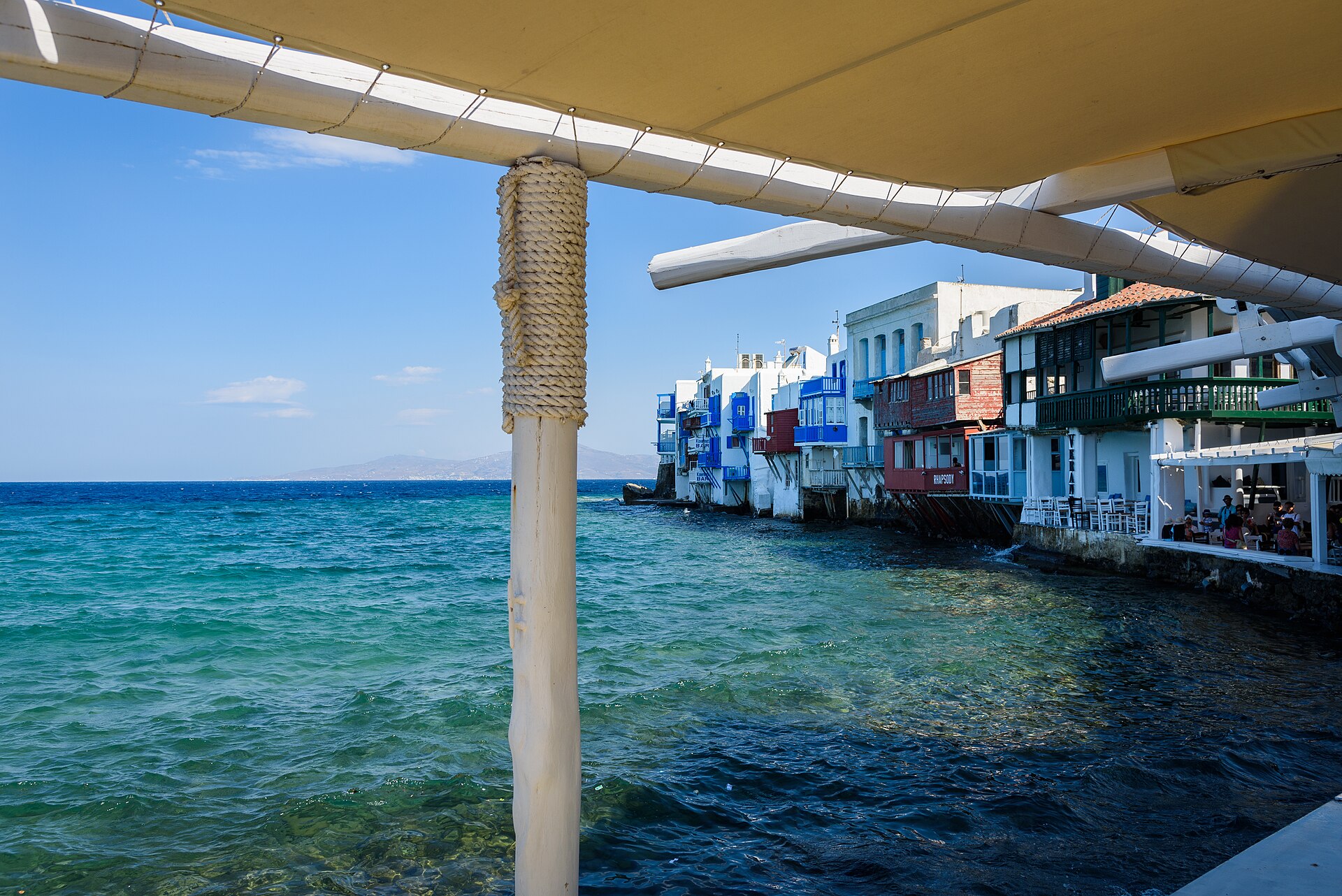
Mykonos welcomes groups with a row of white windmills on a ridge above the harbour. Below them, Little Venice lines the shore, where colourful old houses rise right out of the waves. A short boat ride away lies Delos, a holy island in ancient times and, in myth, the birthplace of Apollo and Artemis.
Milos shows a wilder side, as smooth white rock at Sarakiniko looks like the surface of the moon. Kleftiko hides sea caves once used by pirates. On Naxos, the Portara, a giant marble doorway from an unfinished temple, frames the sunset. Paros adds the fishing harbour of Naoussa and the peaceful mountain village of Lefkes.
Which Greece tours bring groups to the islands?
Private tours with a driver-guide or a skipper suit families and close friends who prefer their own relaxed pace. These Greece tours are priced per group, not per person, so a full van or boat often feels like excellent value. The guide happily adjusts every stop for grandparents, toddlers, shoppers or keen photographers.
Boat cruises with swim stops work well for mixed groups of friends and teenagers. Everyone can jump into clear water, then dry off on deck. Groups staying in the capital can book full-day trips from Athens by coach, which handle the ride to the port. That spares the organiser any ferry and transfer planning.
Snorkel and beginner scuba trips suit active teenagers, sports clubs and company teams who enjoy a challenge. Instructors explain each step on land before anyone enters the sea. For food lovers, cooking classes and wine tastings gather the group around one table. Older relatives often call these the highlight of the whole trip.
What perks do groups get on Greece tours in the islands?
Many island Greece tours include lunch or a BBQ meal, served on board or at a beach taverna. Groups never need to hunt for a table big enough for everyone. Cold drinks come included too, and on some boat days they are unlimited. That keeps the mood relaxed and the shared bill very simple.
A licensed or local guide shares stories that bring each village and ruin to life. The guide also counts heads, finds the shade and keeps the whole group on schedule. On boats, the crew hands out snorkel gear, so nobody needs to pack masks. Children love spotting fish right below the ladder.
Free time to explore matters just as much as the planned stops, because friends can split up for shopping, coffee or photos. Everyone meets again at the boat. Wine tastings on Santorini add a slow, delicious break between busy sights. Swim stops at quiet coves give everyone a refreshing reset before the ride home.
Which habits help groups in the islands?
Start early, because island sights are calmer and cooler in the morning. Before booking, the planner can check a list of top Greek islands to visit and choose only a few. Fewer islands mean less packing and more fun. A shared group chat keeps everyone updated on the meeting point and the next boat.
Pack soft bags that are easy to carry up stone steps, plus hats, sunscreen and refillable water bottles. Swimsuits worn under clothes save time on boat days, and seasickness tablets help sensitive guests. At every stop, the leader can pick a clear landmark, like a church or a windmill, as the meeting place.
Which Large Islands Belong On Greece Tours For Groups?
Crete, Rhodes, Corfu and Zakynthos belong on Greece tours for groups. Each of these large islands packs ancient ruins, old towns and famous beaches into one easy base. Every one has its own airport and plenty of big hotels, so large groups settle in comfortably. Some groups choose one island and skip ferries altogether.
What can groups admire in the large islands?
On Crete, the palace of Knossos was home to the Minoans, an early people who lived there long before classical Athens. Its red columns and painted walls bring old myths about the Minotaur to life. In Chania, the old Venetian harbour and its lighthouse recall a time when traders from Venice ruled the island.
West Crete has the lagoons of Balos and Elafonisi, with shallow turquoise water and pale pink sand. Children can happily wade far out while parents relax under umbrellas on the shore. On Rhodes, the medieval Old Town is still circled by thick stone walls built by knights, soldier-monks who once protected Christian pilgrims.
Also on Rhodes, Lindos stacks white houses below an ancient acropolis, a walled hilltop above a blue bay. Corfu’s old town blends Venetian lanes, shady arcades and a grand seaside fortress. On Zakynthos, Navagio cove shelters a rusty shipwreck on white sand, framed by sheer cliffs and visible from a boat or the cliff top.
Which Greece tours bring groups to the large islands?
Private tours with a driver-guide suit families who want to reach Balos, Lindos or village tavernas without renting cars. A skipper does the same at sea. These Greece tours are priced per group, so bigger groups pay less each. Boat cruises with swim stops suit friends who want sunshine, swimming and relaxing afternoons.
Guided walking tours suit curious groups in Rhodes Old Town, Chania and Corfu town, where a guide leads the way through confusing lanes. Groups that like to wander can simply buy entry tickets instead and explore Knossos at their own comfortable pace. Teenagers, students and keen history fans often enjoy that extra freedom.
Some groups begin the holiday in the capital and add full-day trips from Athens by coach before flying to the islands. That links the mainland and the islands into one smooth journey. On Crete and Corfu, cooking classes and wine tastings suit families and company teams, who share the meal they made together.
What perks do groups get on Greece tours in the large islands?
Boat-based Greece tours around Crete, Corfu and Zakynthos usually include lunch or a BBQ meal cooked by the crew. Drinks are part of the deal, and some trips pour them without limit. For groups, this means no splitting bills at busy beach bars and a proper meal for the hungry children between swims.
A licensed or local guide makes a big difference at Knossos and in the old towns. Only state-licensed guides may lead groups inside ancient sites in Greece, so this perk really matters to organisers. Entry tickets come included on many tours, which spares the group long lines, and everyone walks through the gate together.
Wine tastings add a relaxing evening treat for adults, as local growers explain how island grapes become wine. Swim stops break up long boat days and keep restless children happy and busy. The calm, shallow water around Balos suits even nervous or beginner swimmers. Afterwards, the whole group sails back cool, salty and smiling.
Which habits help groups in the large islands?
Big islands mean long drives, so groups do well to choose one base and take day trips from there. Plan Knossos and Lindos for the early morning, before the heat and the crowds arrive. Older guests feel more comfortable near the front of the van, and short, regular breaks keep everyone cheerful and alert.
Bring water shoes for pebbly beaches, a light scarf for visiting churches and some cash for small village shops. On the stony, uneven paths of Knossos and Lindos, good walking shoes beat sandals. Name a buddy for every child, and do a quick head count before each departure to keep the day stress-free.
Which Parts Of Athens Should Greece Tours Cover?
Greece tours in Athens should cover the Acropolis and its museum, the Ancient Agora, the Panathenaic Stadium, Plaka and Psyrri. Lycabettus Hill and Cape Sounion complete the picture. Most groups start or finish their trip here, so the capital deserves several full days of exploring. The busy city mixes ancient ruins with lively cafés.
What can groups admire in Athens?
The Parthenon crowns the Acropolis hill, a marble temple built to honour Athena, the goddess who gave the city its name. Groups climb past the grand gateway and stand where ancient Athenians once prayed to their gods. Below the hill, the Acropolis Museum shows many original statues, and glass floors reveal ruins under visitors’ feet.
In the Ancient Agora, the old market and meeting place, groups walk where Socrates, the famous thinker, once taught. The Temple of Hephaestus, god of metalwork, stands almost complete on a hill. Across town, the Panathenaic Stadium gleams in white marble, where athletes raced when the modern Olympics began. Visitors can still run its track.
Plaka, the old quarter, winds below the Acropolis with pastel houses, flowered steps and tavernas. Nearby Psyrri buzzes at night with street art and live music. From Lycabettus Hill, the whole city spreads out toward the coast. South of Athens, the Temple of Poseidon, god of the sea, crowns the cliffs of Cape Sounion.
Which Greece tours bring groups to Athens?
Private tours with a driver-guide suit families travelling with young children or elderly parents. The van waits right outside each sight, so tired legs get a rest between stops. These Greece tours are priced per group, which feels fair for big families, and a private skipper can also explore the coast with them.
Boat cruises with swim stops leave from the coast near Athens and suit friends who want a relaxing beach break from ruins. Guided walking tours suit school groups and history lovers, as the guide weaves through Plaka and the Agora telling memorable stories. Walking also reveals the everyday rhythm of local Athenian life.
Cooking classes and wine tastings suit company teams and groups of friends who enjoy hands-on activities. Guests chop, stir and taste side by side, then sit down to share the meal together. It works beautifully as a team-building experience, and the wine tastings pair nicely with a relaxed evening after a full day of sightseeing.
What perks do groups get on Greece tours in Athens?
A licensed guide is the top perk on Athens Greece tours for most groups. By law, guides inside the Acropolis and its museum must hold a state licence, and their stories turn old stones into living history. A good local guide also knows quiet corners for group photos, which saves time and keeps everyone close.
After a busy morning of ruins, lunch or a BBQ meal comes as a welcome reward. On boat trips along the Athens coast, the crew grills on board while the group swims. Drinks are included, and some cruises keep them flowing without limit. Nobody has to queue at a crowded bar or count coins.
Swim stops in clear bays near the city let the group cool off after a hot morning in town. Even enthusiastic sightseers welcome the break. Wine tastings give adults a calm, social end to the day, often in a cellar or on a rooftop. Company teams find it an easy way to unwind together.
Which habits help groups in Athens?
Visit the Acropolis right at opening time, when the air is cool and the paths are quiet. Groups can follow an Athens itinerary for first-timers to space out the biggest sights sensibly. Rest in the shade at midday, then head out again in the evening, when Plaka feels magical under the glowing hill.
Wear shoes with good grip, because the marble on the Acropolis is smooth and slippery. Carry plenty of water, hats and sunscreen for everyone. On crowded metro rides, one adult walks at the front of the group and another at the back. Agree on a clear meeting spot, such as a church or a fountain.
Which Mainland Sites Should Greece Tours Visit?
Greece tours on the mainland should visit Delphi, Meteora, Mycenae, Epidaurus, Nafplio, Ancient Olympia and the Corinth Canal. Each one tells a different chapter of the Greek story. Good roads connect them, so a comfortable coach makes the journey easy. Big groups can see several in one smooth loop through the beautiful countryside.
What can groups admire in the mainland sites?
The sanctuary of Delphi, a holy site of the god Apollo, sits on the steep slopes of Mount Parnassus. Ancient Greeks called it the centre of the world and came to ask the oracle, a priestess who passed on his advice. Its museum holds the bronze Charioteer, a statue with eyes that still look alive.
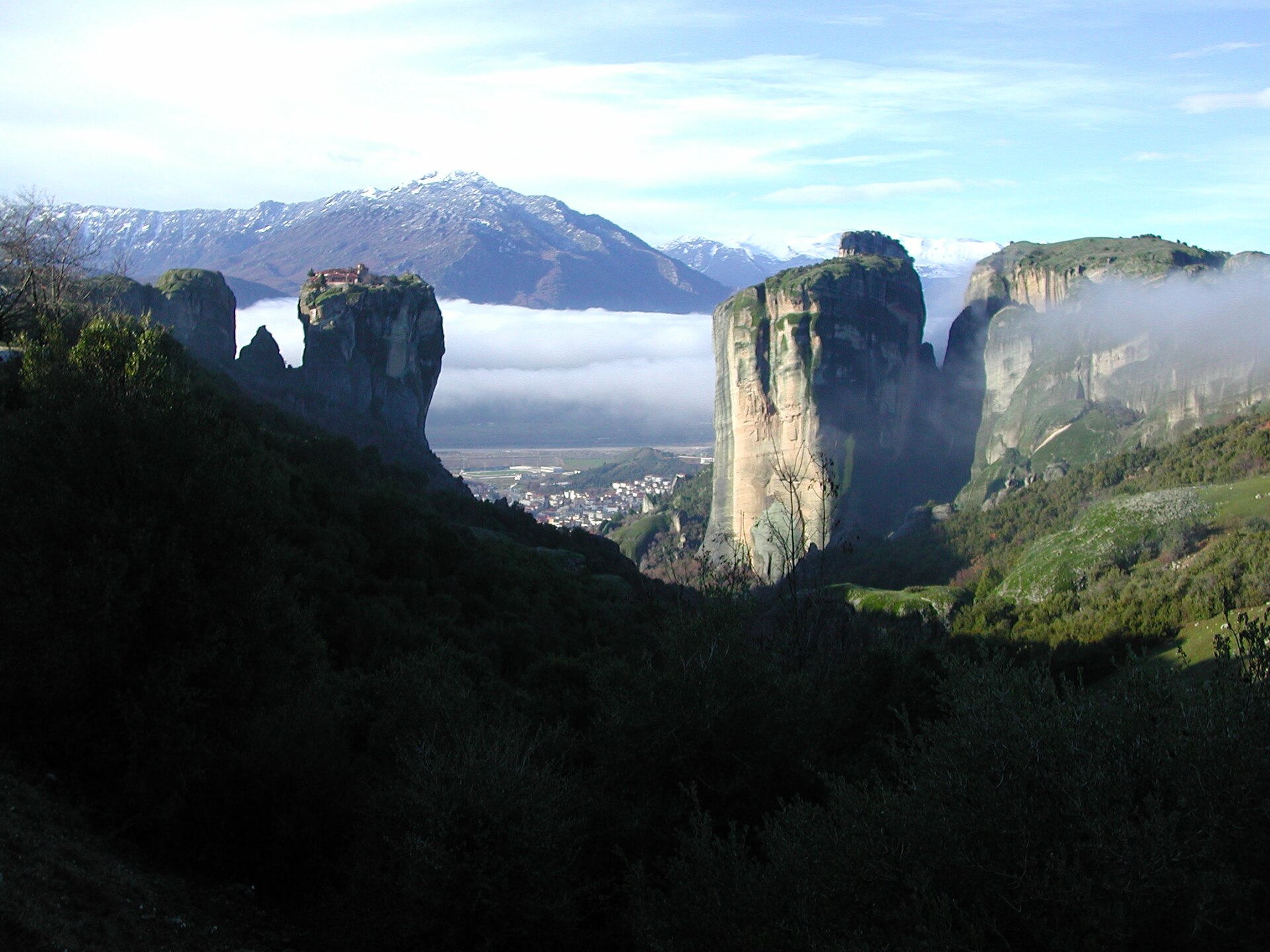
Further north, the monasteries of Meteora sit on top of giant rock pillars, as if floating in the sky. Monks built them there long ago to stay safe and close to God. In the south, the Lion Gate of Mycenae guards the stronghold of King Agamemnon from the old legends, behind enormous stone walls.
At Epidaurus, the ancient theatre is so well built that a whisper on stage reaches every seat. Nafplio, a nearby harbour town, adds a sea castle and charming old lanes. At Ancient Olympia, groups walk through a stone tunnel into the stadium where the Olympic Games began. The Corinth Canal slices through solid rock.
Which Greece tours bring groups to the mainland sites?
Full-day trips from Athens by coach suit big groups, school classes and company teams. Everyone rides together to Delphi, Mycenae or the Corinth Canal while the driver handles the roads. Small-group tours suit families or circles of friends who want more attention from the guide, with a friendly pace and plenty of questions.
Guided walking tours work best inside the big sites and along the old lanes of Nafplio. A guide brings the stones to life, even for teenagers who find ruins dull. Groups that like to wander can buy entry tickets and explore at their own pace, which suits keen photographers and families with children.
Multi-day tours with hotel nights suit groups that want to see Meteora, Delphi and Olympia without rushing. Long drives feel shorter when the trip is split into easy legs, and bags travel with the coach to a comfortable hotel each evening. Clubs and big families often find these Greece tours the most relaxing choice.
What perks do groups get on Greece tours in the mainland sites?
A licensed or local guide is the most valuable perk on mainland Greece tours. At Delphi or Mycenae, the stones look plain until someone explains the myths and kings behind them. The guide also knows the shady paths and the best viewpoints, turning a hot walk into a lively history lesson for school groups.
Entry tickets come bundled on many tours, so the group skips the ticket queue and walks straight in. This matters most at popular sites like Ancient Olympia and Delphi, where lines grow quickly on summer mornings. Planners also avoid handling cash for a big crowd, and nobody is left waiting alone at the gate.
Hotel nights on multi-day trips take away the stress of finding enough beds for a large group. Comfortable rooms are booked ahead, often close to the sites, and staying near Meteora lets the group watch the rocks glow at sunrise. Each evening, everyone can relax, swap photos and share funny stories from the day.
Which habits help groups in the mainland sites?
Start drives early, since the mainland sites sit far apart and the sun gets strong by midday. Pack snacks and water on the coach for the stretches between towns. At Meteora, shoulders and knees must be covered, and women wear skirts inside the monasteries. A light scarf or wrap for each guest solves this.
The paths at Delphi and Mycenae are steep and rocky, so good shoes are essential. Hats help too, since shade is rare on the old sites. Choose a leader at the front and a back marker for every walk. A quick count at every stop makes sure nobody stays behind in a gift shop.
Conclusion: Greece Tours For Groups, Planned Well
Greece tours give groups a mix that few places match. The islands offer swimming, the large islands add variety, Athens brings history and the mainland holds the legends. The smartest plan picks a few regions and links them together with care. Families, friends, clubs and company teams then find perks that suit everyone.
Before booking, organisers can read this guide to Greece group tours for extra planning advice. Choose the regions, match the tour kinds to the people in the group, and check which perks come included in each option. With that done, Greece tours become shared memories the whole group will talk about for a long time.
Frequently Asked Questions About Greece Tours For Groups
Which places should Greece tours for groups visit first?
Most Greece tours for groups start in Athens, because international flights land there and the Acropolis sets the scene. From the capital, groups can head to the Cyclades for beaches or to Delphi for legends. The large islands make a strong next stop for groups with more time, especially Crete, Rhodes and Corfu.
Can Greece tours cover islands and the mainland together?
Yes, many Greece tours combine both regions in one well-planned trip. A popular route pairs Athens and Delphi or Meteora with a few islands such as Santorini, Naxos or Paros. Ferries and short flights connect the regions, so groups move between them without much effort and spend more time enjoying the sights together.
Do island Greece tours need ferry bookings?
In busy months, groups should book ferry seats early, since boats to popular islands fill up fast. Many island Greece tours handle these bookings as part of the plan, which removes a big worry for organisers. Groups that book on their own should reserve all seats together, so everyone travels on the same boat.
Are Athens Greece tours easy for big groups?
Yes, Athens handles big groups well, with wide pedestrian streets, good metro links and plenty of large tavernas. A licensed guide leads the group through the Acropolis and keeps everyone together on the busy paths. Splitting into smaller teams, each with its own leader, also helps on crowded days at the major sights.
Which Greece tours suit a first group trip?
Full-day trips from Athens by coach and boat cruises with swim stops suit a first group trip well. They are simple to book, need little planning and give everyone a taste of Greece. Private tours with a guide also help groups who feel unsure about getting around a new country on their own.
What season suits Greece tours to the islands?
Late spring and early autumn suit island Greece tours best for most groups. The sea is warm enough for swimming, the sunshine is gentle and the crowds are thinner than in high summer. Boats still run frequently in these seasons, so groups enjoy calm, sunny days without long waits at the busy ports.
How do groups choose where to go on Greece tours?
Groups choose where to go on Greece tours by matching places to people, so history fans get Athens and beach fans get islands. Most groups end up with a blend of both. A short list of shared wishes makes every later choice easier.
What should a group agree on first?
Before anyone opens a map, the group needs to agree on pace, comfort and the kind of days everyone enjoys. Some friends love early starts and packed days, while others want long lunches and lazy swims. A quick poll in the group chat brings these wishes into the open.
Ages and fitness matter just as much as interests. Grandparents, toddlers and teenagers all need different rhythms, and steep island steps can tire some guests quickly. These family-friendly Greece travel tips help big families think through those needs before booking.
Once the wishes are clear, the organiser can sort them into must-see places and nice extras. Greece tours work best when the must-see list stays short and realistic. That leaves room for rest days and free evenings, which keep moods bright on a long trip.
Budget belongs in that first conversation as well, because money worries can quietly spoil a holiday. Some guests happily pay more for comfort, while others prefer simple rooms and cheap tavernas. Greece tours with optional extras let each person choose freely without pulling the group apart.
How do Greece tours match different kinds of groups?
Greece tours for company teams often mix a shared activity with plenty of free time. A guided morning followed by a group dinner gives colleagues both connection and breathing room. Clubs, such as hiking or sailing groups, usually build the whole trip around their favourite hobby.
School groups lean on history, because the ancient sites bring classroom lessons to life. Only state-licensed guides may lead groups inside Greek archaeological sites and museums, so these trips always book qualified guides. Groups of friends, on the other hand, often chase beaches, food and lively evenings.
For mixed groups, a guide to choosing the right Greek tour explains how to weigh these different interests. Many organisers also compare small-group and private experiences before deciding. Private options let a big family or company team keep the whole day to themselves.
Big families with several generations do best with a mix of gentle sightseeing and beach time. Greece tours that offer short walks, shaded stops and early dinners suit grandparents and small children alike. Teenagers stay happy when they get a say in some daily activities.
How do groups travel between Greece tours?
Groups travel between Greece tours by ferry, domestic flight or private coach, choosing the mix that fits the distance, budget and luggage. Most trips combine several of these, depending on the route. Smart planning keeps every transfer short and calm.
Which ways of travel work best for big groups?
Ferries are the classic way to reach the islands, and big conventional ferries carry cars, coaches and crowds with ease. High-speed catamarans cut travel time but cost more and rock more in strong wind. Domestic flights link Athens with the large islands and save precious holiday time.
On the mainland, a private coach or minibus is the simplest choice for Greece tours with big groups. Bags stay on board, the driver knows the roads, and everyone travels together from door to door. This works well on routes linking Athens, Delphi, Meteora and the Peloponnese.
Organisers who plan to travel between Greek islands often follow simple routes within one island chain. Hopping around the Cyclades is easier than jumping between distant island groups. Fewer changes mean fewer early alarms, less waiting at ports and more time on the beach.
How do groups keep transfer days calm on Greece tours?
Transfer days run smoothly when one person holds all the tickets and shares a clear plan. Arriving at the port early gives time to find the right gate, since big ports such as Piraeus can feel confusing. A bright flag or matching caps help everyone stay close.
These ferry travel tips cover boarding, seating and seasickness in plain detail. On deck, groups can claim a shaded corner together, while guests who feel queasy sit low and near the middle of the boat. Snacks, water and a deck of cards help on longer crossings.
Light luggage makes every transfer on Greece tours faster, especially on stairs, ramps and narrow village lanes. A guide to packing light for island tours helps each guest bring only the essentials. Shared items, such as sunscreen and a first aid kit, can travel together in one bag.
Why do island Greece tours need early booking?
Island Greece tours need early booking because boats, rooms and guides sell out in high summer, and big groups need many places together. Those blocks of seats and beds always disappear first. Late planners often face split groups and awkward departure times.
What sells out first on island Greece tours?
Ferry seats on popular routes go quickly in the peak season, especially around weekends and public holidays. Boats for private cruises are limited on each island, so the best ones fill early. Hotels with enough rooms side by side for a big group are also hard to find late.
Group-friendly restaurants, cooking classes and boat days all have limited space. A family reunion or company retreat cannot squeeze into a few leftover spots. Organisers who book island Greece tours early choose the best options and keep everyone together under one plan.
Practical Greek ferry booking tips explain how to compare routes and secure seats side by side. Ferry tickets also carry each passenger’s name, so the organiser should collect everyone’s details early. That small task saves a lot of stress at the port.
How does early booking protect the group?
Early bookings give the group a cushion if the weather changes the plan. Strong summer winds sometimes cancel small boats, so a spare day before the flight home keeps Greece tours on track. Groups with fixed plans can then rebook calmly instead of rushing.
Booking ahead also matters for private tours in Greece, since the best guides and skippers fill their calendars first. A private booking lets the group set its own pace and choose its own stops. It also avoids sharing a boat or a table with strangers.
Safety is easier to manage with confirmed plans. Clear meeting points, known transfer times and trusted drivers keep everyone accounted for on busy island days. These safety tips for Greece tourists add sensible advice on sun, water and crowded spots.
Early confirmation also helps guests with special needs or limited mobility. Accessible rooms, ground-floor beds and quiet cabins are limited on island Greece tours, so they go to those who ask first. Families with babies can also request cots and high chairs well ahead.
How do groups keep Greece tours affordable?
Groups keep Greece tours affordable by travelling outside high summer, sharing private services and eating like locals in simple family tavernas. Splitting one cost across many people makes good options cheaper per head. Small daily choices add up quickly over a long trip.
Which choices cut costs on Greece tours?
Travelling in late spring or early autumn brings lower hotel rates and calmer sites. Private Greece tours priced per group become excellent value when the whole van or boat is full. A big family that shares one skipper often pays less each than buying seats on a crowded cruise.
- Travel in spring or autumn instead of high summer.
- Share private guides, boats and minibuses across the group.
- Book ferries and rooms early for the best rates.
- Pick one base and take day trips from there.
- Choose conventional ferries over fast catamarans.
These budget tips for Greece visitors add more ways to save without missing the highlights. Many state sites offer reduced or free entry for students and young EU citizens. A combined ticket in Athens covers several ancient sites for less than separate entries.
Staying in apartments or villas instead of hotels often saves money for larger groups. A shared kitchen makes simple breakfasts easy, and a big table brings everyone together in the evenings. Greece tours that start from one rented base also avoid repeated transfer costs.
How do groups save money on food and extras?
Eating together in local tavernas is one of the cheapest joys of Greece tours. Groups order shared plates for the table, which costs less than separate meals and lets everyone taste more. House wine by the carafe is far cheaper than bottled wine.
Bakeries and markets make cheap, tasty breakfasts and beach picnics. Spinach pies, fresh fruit and yoghurt keep energy high for very little money. Refilling water bottles wherever possible also cuts both cost and plastic waste.
Tipping in Greece is welcome but not required, and rounding up the bill is common. A guide to cultural etiquette for Greece visitors explains this and other local habits. Knowing these customs helps groups avoid overspending and feel welcome everywhere they go.
Free pleasures fill many of the best hours on Greece tours. Sunset walks, public beaches, village squares and harbour strolls cost nothing at all. Planning a few of these free moments into each day keeps spending low and spirits high for the whole group.
Which Greece tours run by coach?
Coach Greece tours run on the mainland, linking Athens with Delphi, Meteora, the Peloponnese and the coast road to Cape Sounion. A comfortable coach carries the whole group, while a guide explains each stop. Big groups find this the easiest way to cover long distances together.
Where do coach Greece tours go?
Day trips by coach leave Athens early and return by evening, so groups see far-off sites without changing hotels. Popular routes reach Delphi on its mountain slope, the Corinth Canal and the old kingdom of Mycenae. These day trip ideas from Athens show how much fits into one outing.
Longer coach Greece tours loop through the Peloponnese, the large southern peninsula, over several days. Groups sleep in a different town most nights and wake up close to the next site. Escorted tours in Greece work this way, with a tour leader handling hotels, meals and timing.
The coast road from Athens to Cape Sounion is one of the prettiest coach rides, with sea views most of the way. Further north, scenic drives in mainland Greece climb through mountain villages and pine forests. Every bend seems to bring another wonderful photo opportunity.
Why do big groups like coach travel?
On coach Greece tours, a single vehicle keeps everyone together, from the hotel door to the site entrance. Nobody has to drive, read maps or hunt for parking, and luggage stays safely on board. Organisers count heads once at each stop instead of chasing several cars across town.
Modern coaches offer air conditioning, reclining seats and a microphone for the guide. Long stretches become a chance to rest, chat or hear stories about the next stop. Children and grandparents both appreciate the regular comfort breaks along the way.
Coach Greece tours also suit company teams and clubs, because shared rides build a real team spirit. Quizzes, songs and snacks turn the road into part of the fun. By the end of the day, colleagues who barely knew each other are chatting like old friends.
Some groups swap part of the road for the rails. These scenic train rides include the little rack railway that climbs a dramatic gorge to Kalavryta. A coach can meet the group at the station afterwards, so the day still flows smoothly.
Which Greece tours run by boat?
Boat Greece tours include day cruises from Athens, island-hopping ferries, sailing trips and private yacht charters with a skipper and crew. Each style suits a different kind of group, yet all of them show Greece from its loveliest side, the sea.
What kinds of boat Greece tours suit groups?
Day cruises from Athens visit the nearby Saronic islands, such as Aegina, Poros and Hydra. Hydra has no cars, so donkeys and water taxis do the work there. This guide to boat tours around Athens covers these trips and the wider coast of Attica.
Sailing Greece tours on catamarans or yachts suit friends and company teams who want swimming, sunbathing and quiet coves. A skipper handles the sails while guests relax on deck. These sailing holidays in Greece range from short day sails to longer trips with nights on board.
For island hopping, large ferries connect the Cyclades, the Dodecanese and other island chains. Groups can follow a classic route of Greek island hopping, spending a few nights on each island. The ferry itself becomes part of the adventure, with wide views from the open deck.
Sunset cruises are some of the most loved boat Greece tours for families and couples travelling in groups. The boat slips out in the late afternoon, and everyone watches the sky turn gold and pink. Santorini and Milos are especially famous for these evening sails.
How do groups enjoy boat days safely?
Boat days start with a short safety talk from the crew about life jackets and boarding. Parents keep young children close on deck and in the shade. Strong summer winds can make the sea choppy, so captains sometimes change the route for comfort.
Groups bring swimwear, towels, sunscreen and a hat, plus a light layer for the breezy ride home. Seasickness tablets help sensitive guests, especially on smaller boats. Sitting low, near the middle and in fresh air also eases the motion.
Private charters work best for groups that want the whole deck to themselves. The skipper picks swim spots based on the wind and the group’s wishes. Shared cruises cost less and suit groups who enjoy a social, lively atmosphere with other travellers.
Island Greece tours by boat also depend on good timing. Morning departures usually bring calmer water, while afternoon winds often build up in summer. Organisers who book early sailings give the group the smoothest ride and the clearest water for swimming.
Which Greece tours run on foot?
Walking Greece tours range from easy city strolls through old Athens to food walks, island trails and full-day gorge hikes on Crete. A local guide sets a comfortable pace, and walking reveals small details that coaches and boats simply pass by.
Which walking Greece tours suit city groups?
City walks in Athens wind through Plaka and the tiny lanes of Anafiotika. This quiet corner under the Acropolis looks just like an island village. The guide to walking tours in Greece lists many more routes in other towns.
Food walks suit groups who love to taste as they go. Guests try fresh bread, olives, honey and sweet pastries at small family shops and busy markets. Thessaloniki, famous for its street food, is a favourite city for these tasty Greece tours.
Evening walks work well in summer, when the heat fades and squares fill with local families. Old towns such as Nafplio, Chania and Rhodes look magical under the street lights. Groups usually finish at a taverna, tired, hungry and very happy.
City walking Greece tours are also easy on the budget, since a guide splits the cost across the whole group. Walks rarely need special gear beyond comfortable shoes and a water bottle, so they suit school groups, retirees and mixed families alike.
Which trails suit active groups?
On Crete, the Samaria Gorge hike follows a rocky path between towering cliffs down to the sea. It suits fit groups, sports clubs and adventurous teenagers better than toddlers. In northern Greece, the Vikos Gorge and the stone bridges of Zagori offer quieter mountain walks.
On walking Greece tours at Meteora, old footpaths link the monasteries through woods and rock. Walking them gives groups views that coaches never reach. Islands such as Naxos, Andros and Corfu also have marked trails between sleepy villages, chapels and hidden beaches.
Groups who want even more action can try these outdoor adventures in Greece, from kayaking to rock climbing. Bike fans can follow these cycling routes in Greece instead. Good shoes, sun hats and plenty of water are essential on every trail.
Hiking Greece tours work best in spring and autumn, when the hills turn green and the air stays cool. Summer hikes start at dawn to beat the heat. A local guide keeps the group on the right path and knows where to find shade and water.
Which Greece tours mix coach and boat?
Mixed Greece tours pair a coach on land with a boat at sea, so groups reach islands, gorges and coasts in one day. Transfers are planned in advance, so nobody worries about timetables, and the trips suit groups who want variety without stress.
Which mixed Greece tours are most popular?
The Samaria Gorge day on Crete is a classic mix, with a coach dropping the group at the top of the gorge. Everyone hikes down to the sea, and a boat then carries them along the coast to a village where the coach waits.
From Athens, many day trips combine a coach ride to the port with a cruise to Hydra, Poros or Aegina. On Corfu, groups often cross the island by coach and then take a boat to Paxos and its sea caves. Both options make a full and wonderfully relaxing day for everyone.
On Kefalonia, coach Greece tours stop at Melissani, an underground lake where boatmen row visitors across glowing blue water. Many add a ferry hop to nearby Ithaca. In the old poems of Homer, this small island was the home of the hero Odysseus.
Longer mixed Greece tours often join a mainland coach loop with a ferry trip to the islands. Groups explore ancient sites by road first, then sail to the Cyclades for beach days. This rhythm suits groups who want both history and holiday rest.
How do groups plan coach and boat combinations?
Mixed days work best when one organiser links the coach and boat times. If the ferry runs late, the coach waits, and nobody misses the ride home. Groups planning their own links can study how Greece by public transport works, from regional buses to local ferries.
Luggage needs a clear plan on combined days. Big bags stay on the coach, while the group carries only small day packs onto the boat. A simple packing list keeps everyone ready:
- A small day pack for the boat
- Swimwear, a towel and sunscreen
- A light jacket for the sea breeze
- Seasickness tablets for sensitive guests
- Snacks and refillable water bottles
Mixed Greece tours also suit groups with different energy levels. Active guests can hike or swim, while others rest on deck or wait in a seaside café. Everyone meets again for the ride home, full of stories to share.
Which places should Greece tours for groups visit?
Greece tours for groups should visit the Cyclades for beaches, the mainland for ancient history and the larger islands for variety. Each region suits a different mood, so most groups combine several regions in one trip. The short lists below help organisers pick the right stops for their group.
Cyclades
The Cyclades are the classic picture of the Greek islands, with white houses, blue doors and clear water. Greece tours here mix boat days, village walks and sunset views that groups remember for years. Ferries link these islands often in summer, so hopping between them is simple even for big groups.
- Santorini, known for its volcanic caldera, white villages and famous sunsets
- Mykonos, famous for its windmills, Little Venice and lively beach life
- Naxos, known for the marble Portara doorway, mountain villages and sandy beaches
- Paros, loved for the fishing harbour of Naoussa and the village of Lefkes
- Milos, famous for the moon-like white rocks of Sarakiniko and sea caves
Mainland
The mainland holds the great stories of ancient Greece, from gods and oracles to the earliest athletes. Coach Greece tours reach these sites easily, and licensed guides bring the old stones to life. School groups, sports clubs and history fans find this region especially rewarding to explore together.
- Athens, home of the Acropolis, the Parthenon and lively old quarters
- Delphi, the ancient sanctuary of Apollo on the slopes of Mount Parnassus
- Olympia, birthplace of the Olympic Games, with its ancient stadium and temples
- Mycenae, the hilltop stronghold of King Agamemnon with the famous Lion Gate
- Epidaurus, famous for its ancient theatre where every whisper carries clearly
More islands
Beyond the Cyclades, larger islands offer airports, big hotels and plenty to do in one place. Greece tours on these islands suit families and company groups who prefer a single base. Green hills, old towns, boat trips and famous beaches keep every guest happily busy from morning to night.
- Rhodes, known for its medieval Old Town, castle walls and Lindos
- Corfu, loved for its Venetian old town, green hills and calm bays
- Kefalonia, famous for Myrtos beach, the Melissani lake cave and mountain views
- Zakynthos, home of Navagio shipwreck cove, sea caves and nesting sea turtles
How do groups plan Greece tours over ten days?
Groups plan Greece tours over ten days with three Athens days, a Delphi and Meteora road trip, then Santorini and Crete. This loop mixes ancient history, mountain scenery and island beaches without rushing anyone. Each stage below suits families, friends, clubs and company groups alike.
Three days in Athens
The first day belongs to the Acropolis and its museum, ideally with a licensed guide and an early start. Afternoons stay free for rest, coffee and a slow stroll through the lanes of Plaka. In the evening, the group gathers for dinner with a view of the lit Parthenon.
The second day suits the Ancient Agora, the old market of the city, and the marble Panathenaic Stadium. Greece tours often add a cooking class or a food walk in the afternoon. That gives the group a fun, tasty and hands-on break from the ruins.
The third day works well for a trip along the coast to Cape Sounion and its Temple of Poseidon. Some groups prefer a boat day to the nearby islands instead. Either choice ends with a relaxed evening and an early night before the road trip.
Groups with less time can follow this Athens, Santorini and Mykonos itinerary instead. It trades the mainland stage for another island, which suits beach lovers and groups of young friends. Both plans start in the capital, so the Athens days stay exactly the same in either version.
Evenings in Athens are part of the fun for groups. Rooftop restaurants face the glowing Acropolis, while the old quarters of Psyrri and Monastiraki stay lively until late. A shared dinner each night keeps the whole group connected after a long day of exploring.
Delphi and Meteora
The road trip begins with a scenic drive to Delphi, high on the slopes of Mount Parnassus. Ancient Greeks came here to hear the oracle, a priestess who passed on advice from the god Apollo. A licensed guide explains the temples, the theatre and the bronze treasures in the museum.
From Delphi, the coach continues north to Meteora, where monasteries sit on top of giant rock pillars. Most Greece tours spend a night in the village below the rocks. That way, the group sees the monasteries in the soft morning light before the crowds arrive.
Visitors must cover shoulders and knees inside the monasteries, so guests should pack a light scarf or long trousers. The paths to the doors include steps, so comfortable shoes with good grip help everyone. Slower walkers can still enjoy wide views from the easy lookout points near the road.
Groups who like to organise every step themselves can read about self-guided itinerary planning for this stage. A private driver gives similar freedom without the stress of driving on mountain roads. Either way, the mainland loop ends back in Athens for the flight or ferry south.
Between Delphi and Meteora, the coach crosses wide farming plains and green mountain passes. Short stops in small towns let the group stretch, buy local honey and try fresh cheese pies. These breaks keep long road days cheerful for younger and older guests alike.
Santorini and Crete
The island stage opens on Santorini, with its white villages perched on the edge of a flooded volcano. Greece tours here include catamaran cruises, wine tastings and sunset views from Oia. The group gets a real taste of island life after the busy mainland days.
A fast ferry then carries the group south to Crete, the largest Greek island. Here, the palace of Knossos tells the story of the Minoans, an early people with a rich culture. Chania’s Venetian harbour and old lanes make a lovely setting for a final evening stroll.
Groups new to the islands will find useful advice in this guide to Greek islands for first-timers. It covers ferries, beaches, island buses and village customs in plain, friendly language. Planning ahead keeps the island stage smooth and relaxed for every member of the group.
Crete also has a large airport, so the group can fly home without returning to Athens. This saves a full travel day at the end of the trip. Greece tours that finish on Crete leave more time for a final swim and a slow lunch by the sea.
Cretan food makes a fitting finale for the whole trip. Village tavernas serve olive oil, wild greens, cheese pies and raki, the local spirit, with warm hospitality. A long farewell dinner gives the group time to toast their shared adventure and plan the next one.
More questions about Greece tours for groups
Groups often ask about island bases, boat safety, late ferries, entry tickets, luggage help and what to wear before booking Greece tours. The answers below cover these practical points clearly and briefly for organisers.
Can groups stay on one island and still join Greece tours?
Yes, groups can stay on one island and still join many Greece tours, from boat cruises to village walks and coach trips. Larger islands such as Crete, Rhodes and Corfu offer the widest choice of tours. Day cruises to nearby islands add variety without changing hotels or packing bags.
Are boat Greece tours safe for children?
Boat Greece tours are safe for children when crews follow safety rules and parents keep little ones close on deck. Good operators carry life jackets in child sizes and give a short safety talk before leaving the harbour. Calm morning trips on larger, stable boats suit young families and grandparents best.
Do Greece tours wait for late ferries?
Private Greece tours usually adjust their start time for a late ferry, while shared tours with fixed departures cannot hold everyone. Organisers should share ferry details with the tour team well in advance. That way, the driver or guide can track the boat and plan calmly around any delays.
Do Greece tours include entry to sites?
Some Greece tours include entry tickets to ancient sites and museums, while others list them as an extra cost. Organisers should always check what is included before booking, especially for large groups. Children and students often enter state sites free or at a reduced rate with valid ID.
Can groups get help with luggage on Greece tours?
Yes, multi-day Greece tours carry luggage on the coach and often arrange hotel porters, so guests rarely lift heavy bags. On ferries, groups handle their own cases in the luggage area near the ramp. In car-free villages, local porters, vans or even donkeys move bags to the hotel.
What should groups wear on boat Greece tours?
Groups should wear swimwear under light clothes, plus hats, sunglasses and non-slip shoes on boat Greece tours. A light jacket or windbreaker helps on the breezy ride back to port in the late afternoon. A cover-up is also useful for stops in villages and visits to small chapels.
See more in Ximikes Toyaletes WC: